With the introduction of the Unitary Patent, the European Union has taken a significant step toward harmonising the patent system in Europe. Of course, effective means of protection already existed before the Unitary Patent. However, the European Unitary Patent makes it considerably easier for inventors and companies to obtain uniform protection for their inventions.
The Unitary Patent (UP) is a special form of patent protection that is valid simultaneously in several EU Member States, without the need to apply for and maintain patent protection separately in each country. Inventors and companies applying for unitary protection obtain a single patent that has effect in all countries covered by the protection.
Do you need assistance with filing a patent? Our experienced patent attorneys will be happy to support you. Contact us for an initial consultation!
European patent with unitary effect as the predecessor of the Unitary Patent
Since 1977, inventors and innovative companies have been able to obtain European patents (EP) to protect their inventions beyond national borders. Thanks to a centralised grant procedure, they were spared the need to apply for patent protection separately in each EU Member State. Instead, following an examination of patentability, the European Patent Office (EPO) granted the European patent.
Advantage: Inventors and companies do not need to apply individually to the national patent offices of the countries in which protection is sought.
Disadvantage: The European patent must be validated and maintained separately in each country for which protection is requested.
This means that if, for example, a patent is challenged, transferred, enforced, or revoked in Italy, this has no effect on the validity of the patent in the other European countries for which protection was obtained via the EPO. In addition to significant administrative effort, this form of patent management also entails high costs for patent proprietors—for example for translations into national languages, validation fees, or patent attorney costs.
The EU Unitary Patent, officially known as the “European patent with unitary effect”, is intended to remedy this situation.
In which countries does the EU Unitary Patent apply?
The European Unitary Patent, often referred to colloquially as the EU patent, entered into force in June 2023 and is intended in the long term to extend to a total of 25 EU Member States. At present, however, it applies only in 17 EU Member States that support enhanced cooperation in the unitary patent system and have ratified the Agreement on a Unified Patent Court (UPCA). These include:
Belgium
Bulgaria
Denmark
Germany
Estonia
Finland
France
Italy
Latvia
Lithuania
Luxembourg
Malta
Netherlands
Austria
Portugal
Sweden
Slovenia
In which countries must patent protection be applied for separately?
If patent proprietors require protection in European countries that participate in enhanced cooperation but have not yet ratified the Agreement, the European patent must be validated separately with the national authorities. These countries include Greece, Ireland, Poland, Romania, Slovakia, the Czech Republic, Hungary, and Cyprus.
In addition, the EU Unitary Patent is not valid in the United Kingdom, Croatia, Norway, Switzerland, Spain, or Turkey. Nor does it cover patent protection in countries outside the EU. Separate national applications must be filed for each of these jurisdictions.
Good to know: Since the geographical scope of the Unitary Patent remains unchanged throughout its entire term, it cannot be extended to countries that ratify the UPCA at a later stage. For these latecomers, separate protection must also be applied for.
What is the Unified Patent Court?
Questions concerning the validity or infringement of Unitary Patents fall within the jurisdiction of the Unified Patent Court (UPC). This is a supranational court established by the EU Member States that signed the international agreement introducing the Unitary Patent.
Patent proprietors seeking to enforce their rights under Unitary Patents, as well as third parties seeking revocation, bring their cases before this court. The introduction of the UPC spares patent proprietors from litigating in multiple countries. The Court issues decisions that apply uniformly in all participating states, thereby increasing legal certainty. Court proceedings become simpler, faster, and more efficient.
How can a Unitary Patent be applied for?
Step 1: To obtain a Unitary Patent, inventors and companies must first apply for a European patent with the European Patent Office (EPO).
Step 2: After the patent has been granted under the European Patent Convention (EPC), the patent proprietor files a “request for unitary effect”.
This request must cover all currently 17 participating states and may not contain different claims for different Member States.
The request must be filed no later than one month after publication of the grant of the European patent in the European Patent Bulletin.
Step 3: The request—submitted either in writing or online—requires a translation of the European patent. If the language of proceedings is German, a full translation into English and French is required.
Step 4: Once successfully filed, the Unitary Patent takes effect uniformly in all participating European states.
Excluding UPC jurisdiction: the opt-out declaration
The Unitary Patent is an additional option designed to simplify patent protection and harmonise case law in participating European states. While this offers many advantages, it can also be a disadvantage if a patent is challenged and declared invalid, as protection would then be lost in all 17 participating states.
To avoid the exclusive jurisdiction of the UPC, patent proprietors may file an opt-out declaration for European patents during a transitional period of seven years. This means that protection remains a bundle of national patents, each subject to national courts. This prevents third parties from challenging a patent across all states in a single UPC action.
The opt-out can only be declared if no proceedings are pending and applies for the entire term of the patent. It can be reversed only once by filing an opt-in declaration.
How much does the Unitary Patent cost?
Unitary Patents are subject to an annual renewal fee, paid centrally in euros to the European Patent Office. These costs are generally lower than for European patents validated nationally, as additional validation and maintenance costs are avoided.
For the second year:
Unitary Patent: €35 for protection in all 17 participating states.
European patent (17 states): €146 in total.
European patent (25 states): €223 in total.
For the maximum term of 20 years:
Unitary Patent: Total renewal fees of €35,555.
European patent (17 states): €116,688.
European patent (25 states): €161,305.
What are the advantages and disadvantages of the Unitary Patent?
The main advantages of the Unitary Patent are reduced administrative effort and lower costs. With a single request, protection can be extended to 17 states, with renewal fees paid centrally in euros.
At the same time, the Unified Patent Court ensures harmonised decisions with effect across all participating states. However, this also means that a single revocation action can invalidate a patent in all states, unless an opt-out has been declared.
RGTH: Expert advice on the Unitary Patent
RGTH’s patent attorneys advise patent proprietors on all aspects of patent filing and help develop a tailored patent strategy. Whether in chemistry, mechanical engineering, software, or biotechnology, we represent your interests before the Unified Patent Court.
In recent years, AI technologies have gained enormous importance and fundamentally changed our everyday lives through groundbreaking applications. But what about the protection of intellectual property when it comes to AI inventions? Are AI patents even possible under current patent law? In this blog post, we take a closer look at the key questions of whether AI can be an inventor or author, whether it has legal capacity, and how AI inventions can be protected by patents.
https://rgth.de/2024/09/ki-patente/#was-ist-kiBackground: What is AI?
https://rgth.de/2024/09/ki-patente/#patente-fuer-kuenstliche-intelligenzPatents for Artificial Intelligence
https://rgth.de/2024/09/ki-patente/#erfinderische-taetigkeit-bei-ki-erfindungenInventive step in AI inventions
https://rgth.de/2024/09/ki-patente/#der-comvik-ansatzThe COMVIK approach in case law
https://rgth.de/2024/09/ki-patente/#kann-eine-ki-erfinder-seinCan an AI be an inventor?
https://rgth.de/2024/09/ki-patente/#rgth-patentanwaelte-fuer-kuenstliche-intelligenzRGTH: Patent attorneys for Artificial Intelligence
Background: What is AI?
Artificial intelligence has been part of many areas of our lives for years. Simple examples of AI can be found online: search engines, spam filters, translation tools, text‑generation tools, or recommendation systems—whether for purchasing decisions or the next series on Netflix & Co. Further examples include autonomous driving, virtual reality (VR) and augmented reality (AR) creating digital worlds, navigation systems that guide us along the most efficient routes, or smart‑home solutions that control electricity, heating, or water consumption. Most recently, AI applications based on large language models such as ChatGPT have attracted widespread attention and become accessible to the general public.
All of these AI solutions have one thing in common: they are based on artificial neural networks and algorithms that are trained using data to recognize, analyze, and interpret patterns. On this basis, AI applications are capable of making independent decisions and performing intellectual tasks such as logical reasoning, learning, or problem solving.
The innovation with ChatGPT is that users can now “converse” with AI in natural language via a chat interface—without requiring in‑depth coding knowledge.
The difference between “strong” and “weak” AI
When looking at the AI applications we know today, we generally speak of weak AI. Computers and machines automate tasks, improve efficiency and accuracy in various fields, and can partially emulate human cognitive processes. They are trained to perform specific tasks and can therefore only operate effectively within the domains for which they were developed.
What weak AI lacks is creativity, general understanding, and consciousness. AI systems possessing these characteristics would be able to solve intellectual tasks at a level comparable to humans, adapt to new situations, and make independent decisions. Such systems would be referred to as strong AI. While strong AI is already a reality in science‑fiction films, it does not yet exist in practice. It remains a theoretical concept and a long‑term goal of AI research.
Patents for Artificial Intelligence
Weak AI is based on computer‑implemented inventions, often implemented through software. Such solutions can only be protected by patents under certain conditions. According to the https://www.dpma.de/patente/patentschutz/schutzvoraussetzungen/schutz_computerprogramme/index.htmlrequirements of the German Patent and Trade Mark Office (DPMA), patent applications for mathematical methods and computer programs are only permitted to a limited extent. The European Patent Convention (EPC) excludes mathematical methods, plans, rules, and methods for mental acts from patent protection when claimed “as such”.
The relevance of this topic is underscored by the growing number of AI patent filings worldwide. China leads the field with more than 38,000 patents in the area of generative AI over the past ten years. The United States recorded 6,300 patent filings, and Germany 708. Particularly noteworthy is that more than one quarter of these applications were filed in the past year alone.
Our experienced patent attorneys for Artificial Intelligence will be happy to assist you with the https://rgth.de/rechtsgebiete/patente-anmelden/filing of patents.
When are AI inventions patentable?
To obtain patent protection for AI solutions, the invention must use technical means to contribute to the solution of a specific technical problem. This means that computer programs based on AI inventions are patentable if the invention:
goes beyond a purely abstract or intellectual concept
is carried out using a computer, computer network, or another programmable device with a technical effect, and
has a technical character.
In addition, patents can only be filed for final AI applications. Individual development stages of AI‑based solutions are not patentable. Furthermore, AI inventions can only be the subject of a patent if they meet the general patentability requirements of the European Patent Office (EPO): they must be novel, involve an inventive step, and be industrially applicable.
Inventive step in AI inventions
Although the patentability of AI is recognized in the EPO examination guidelines, assessing whether AI patent applications will be successful is often challenging. In principle, an inventive step exists if the invention does not arise in an obvious manner from the prior art. However, the inventive step is frequently called into question by the state of the art.
The assessment is based on the knowledge of a skilled person—one or more experts with average knowledge and abilities in the relevant technical field who are aware of what constitutes common general knowledge at the relevant time.
It is sometimes assumed that the use of AI leads to a broader body of prior art. The more powerful AI becomes, the more it will be used as a standard tool, and the more patent applications are likely to be filed in this field in the future. This could further complicate positive assessments of novelty and inventive step. At the same time, the question arises as to whether AI will soon be creative enough to generate subject matter that meets the high requirements of inventive activity.
These considerations are relevant not only for patent applications, but also for the https://rgth.de/rechtsgebiete/gebrauchsmuster-anmelden/filing of utility models or when applicants wish to protect a https://rgth.de/rechtsgebiete/geschmacksmuster-anmelden/design.
The COMVIK approach in case law
To simplify assessment, case law increasingly applies the so‑called “COMVIK approach”. Under this approach, inventive step is assessed by considering only those differences from the closest prior art that contribute to the technical character of an invention. Both technical and non‑technical features are taken into account, provided that they individually or in combination solve a technical problem.
Can an AI be an inventor?
In addition to the question of whether AI is patentable, ongoing technological progress raises the issue of whether AI itself can be regarded as an inventor.
In principle, three categories of AI‑related inventions can be distinguished:
Inventions developed by AI that are independently capable of identifying and solving tasks.
Inventions based on human intelligence and reviewed with the assistance of artificial intelligence.
Inventions in which humans use AI to solve a specific task.
The scientific consensus is that inventions of the first category—those created independently of humans—remain a vision of the future. Accordingly, under current law, only a natural person may be named as inventor in patent applications for AI inventions. AI itself cannot apply for IP rights and is not regarded as an independent legal entity, but merely as a tool used by the inventor.
AI as an inventor: current case law of the German Federal Court of Justice
In June 2024, the German Federal Court of Justice (https://juris.bundesgerichtshof.de/cgi-bin/rechtsprechung/document.py?Gericht=bgh&Art=en&nr=138469&pos=0&anz=1BGH, X ZB 5/22) ruled that only natural persons may be recognized as inventors. Naming an AI as the sole inventor violates Section 37(1) of the German Patent Act. A human contribution therefore remains mandatory—even if artificial intelligence assisted in developing the invention. References to the use of AI may be included as supplementary information, but the designation of a human inventor is compulsory.
Outlook: AI and its legal recognition
Under current case law, AI does not have legal capacity. However, this does not mean that machine‑generated inventions developed with the assistance of AI are excluded from patent protection. At present, however, IP rights may only be claimed by natural persons.
The legal situation may change if AI research succeeds in developing weak AI into strong AI and transforming the theoretical concept into reality. Should AI develop creative and inventive capabilities, this would raise the question of whether it possesses its own consciousness and should be legally equated with human intelligence. In that case, the assessment of whether AI has legal capacity—and thus can be an inventor, author, or patent applicant—would need to be reconsidered.
RGTH: Patent attorneys for Artificial Intelligence
Do you need assistance with filing an AI patent? Our software patent attorneys specialize in artificial intelligence, computer‑implemented inventions, and cloud computing, and support you in all matters relating to patent and IP protection for AI inventions. From assessing patentability and developing a patent strategy to filing the patent application, our patent attorneys accompany you throughout the enforcement of your IP rights.
Jaewuk Kim (Partner & Director of the Korean Desk) is a German Patent Attorney and is admitted to practice before the German Patent and Trade Mark Office, the German Federal Patent Court, the European Union Intellectual Property Office, and the World Intellectual Property Organization.
Disclaimer: The information provided above does not constitute legal advice. No guarantee is given as to its accuracy or completeness.
Within the framework of a notice-and-take-down procedure, operators of online marketplaces such as Amazon & Co. are obliged to immediately block offers from merchants that violate competition law once they have been notified of such infringements by third parties.
In addition, they are required to monitor merchants who have already been reported and to block unlawful content. The purpose of this principle is to effectively prevent infringements of intellectual property rights such as patents, trademarks, utility models, and designs in e-commerce.
The notice-and-take-down procedure is a key mechanism in digital intellectual property protection and serves to protect trademark, design, patent, and utility model rights on platforms such as Amazon from abuse. If you discover that a product offered by another merchant infringes one of your intellectual property rights, you can notify the relevant e-commerce platform and have the product removed.
In the past, however, there have also been frequent cases of abusive use of the notice-and-take-down procedure. In such cases, sellers on an e-commerce platform were reported for allegedly infringing another party’s IP rights. In most instances, these involve unexamined IP rights, such as utility models or designs. Once such a right is registered, the rights holder is entitled to have an offer blocked on Amazon & Co. For this purpose, it is sufficient to assert to the platform operator that the respective offer infringes its IP right.
Do you suspect that you have become the victim of such an abusive complaint, or are you concerned that one of your IP rights may have been infringed? Our experienced patent attorneys will be happy to advise you.
As a rule, the platform operator is not qualified to decide whether an infringement has actually occurred. However, it runs the risk of being held liable if it refuses to carry out a blocking request. In such cases, the operator relies on the EU E-Commerce Directive, which governs key issues of electronic commerce, in particular the liability and responsibility of service providers. Pursuant to Article 14 of this Directive, providers are exempt from liability if they block access to infringing content as soon as they become aware of it.
Notice-and-take-down: consequences for merchants when listings are blocked
This type of blocking following a report on e-commerce platforms is referred to as a notice-and-take-down procedure. Within this framework, Amazon & Co. are obliged to monitor reported accounts and are entitled, if necessary, to close them entirely. The consequence is that, regardless of whether an infringement actually exists, you can no longer sell blocked products on these platforms, and you may face significant revenue losses.
To take action against this, rapid legal support is crucial. RGTH’s experts assist you in challenging blockings and protecting your business. Contact us for individual advice.
Background: what legal framework applies to notice and take-down?
The notice-and-take-down procedure is not only relevant for liability exemptions in e-commerce, but also plays an important role in combating copyright infringements on the internet.
In addition to the EU E-Commerce Directive, the Digital Millennium Copyright Act (DMCA) provides the legal framework that exempts operators of online services such as social media platforms, internet service providers, or hosting services from liability for copyright infringements committed by their users. As in online commerce, the dissemination of copyrighted or otherwise unlawful content is subject to the principle that hosts or providers can only be held liable under the concept of secondary liability in copyright law if they fail to respond to a rights holder’s notice and neither remove the content nor block access to it (take down).
How does a notice-and-take-down procedure work?
Regardless of whether the case involves an infringement of intellectual property rights in e-commerce or a copyright infringement, the notice-and-take-down procedure begins with the reporting of the alleged violation to the platform operator, host, or provider.
Obligations of platform operators
Instead of immediately deleting or blocking content or products, platform operators may initially request a statement from the affected merchant or the person responsible for the content. Unlike competent courts or experienced patent attorneys, however, these companies are often not sufficiently qualified to determine whether an infringement actually exists. In order to protect themselves as effectively as possible from the consequences of legal disputes and court proceedings, it is therefore common practice to delete or block too much rather than too little. The same applies to the obligation to monitor previously reported accounts and, if necessary, to close them entirely. This often leads to lawful content and products being blocked or removed as a precaution.
Overblocking in notice-and-take-down procedures
From the perspective of platform operators, this approach is understandable. From the merchants’ perspective, however, so-called “overblocking” can be devastating. In a fast-moving business such as online trading on Amazon & Co., prolonged blocking can not only cause substantial financial damage but can also permanently harm a company’s reputation. Statements made to platform operators are usually ineffective, as they often lack the necessary experience and expertise to assess whether an IP right has been infringed.
Notice-and-take-down procedures: support from experienced patent attorneys
In notice-and-take-down procedures, support from experienced patent attorneys is essential to enforce your rights. On the one hand, this is necessary to assess whether your own IP rights have actually been infringed and to take appropriate action. On the other hand, legal assistance is crucial to take action against unjustified blockings on Amazon & Co..
Assistance in cases of unjustified blocking – key steps
The market power of Amazon & Co. is immense. Without sound knowledge of the correct procedure for notice-and-take-down actions, it is difficult to achieve the lifting of an unjustified blocking on Amazon or eBay. To enforce your own rights and effectively counter unjustified blockings, the experienced patent attorneys at RGTH support you with, among other things, the following services:
Warning letter and cease-and-desist declaration with penalty clause: If your product or account has been blocked on Amazon, the first step is to send a substantiated warning letter to the company whose report triggered the blocking. This should include a cease-and-desist declaration subject to a contractual penalty.
Preliminary injunction: If the company does not accept the warning letter, the only remaining option is to obtain a preliminary injunction from the court.
Judicial clarification: If the company still fails to respond, the matter proceeds to court proceedings.
Protecting your intellectual property – key steps
Advice from experienced patent attorneys is equally important when it comes to enforcing your own intellectual property rights within the framework of notice-and-take-down procedures. RGTH’s experts assist you with:
Registration of your IP rights: Our patent attorneys help you effectively protect your intellectual property against misuse by registering it with the German Patent and Trade Mark Office (DPMA). IP rights such as a patent, a utility model, a trademark, or a design form the basis for effectively taking action against infringements in e-commerce.
Assessment of infringements: If you suspect that other merchants are infringing your registered IP rights, caution is required. If no infringement exists, initiating a notice-and-take-down procedure without justification may expose you to claims for damages. Our patent attorneys assist you in assessing whether an infringement has actually occurred.
If an infringement of your IP rights exists, the case is reported to the platform operator (notice). This warning letter must comply with specific formal requirements, content requirements, and proper service:
Notification to the platform operator: In addition to a detailed description of the infringement, the notification must also include a reference to the relevant IP right.
Review by the platform operator: In the next step, the platform operator reviews the notification and decides whether it considers the complaint justified and whether it will delete the reported content and, if applicable, block the merchant’s account. The platform operator then informs the affected merchant, who has the opportunity to file an objection to the deletion or blocking.
Response to the objection: This so-called “counter notice” must also meet certain legal requirements and may result in the platform operator reinstating the deleted content or lifting the account suspension.
Further legal steps: If this occurs, legal action may be initiated in the next step to have the lawfulness of the notification reviewed by a court and to prevent the abuse of your intellectual property rights.
Enforcing IP rights effectively
The notice-and-take-down procedure forces trading platforms such as Amazon to act quickly once they become aware of infringements of intellectual property or competition law. Not infrequently, such notifications lead platforms to remove products preventively or even block entire accounts as a precaution in order to avoid potential liability risks. This results in unwanted overblocking, which can have both financial and reputational consequences for merchants. In such cases, support from experienced patent attorneys is crucial to defend against unjustified blockings or to effectively enforce your own IP rights.
We would be pleased to advise you on enforcing your IP rights and to work with you to develop a solution tailored to your individual situation.
Dr. Torben König is a German Patent Attorney and European Patent Attorney. His areas of specialization include patent law, in particular filing, opposition, and appeal proceedings before the German Patent and Trade Mark Office, the Federal Patent Court, and the European Patent Office, as well as revocation actions before the Federal Patent Court and the Federal Court of Justice, and infringement proceedings.
Disclaimer: The information provided above does not constitute legal advice. No guarantee is given as to its accuracy or completeness.
With the action filed by JinkoSolar against LONGi Green Energy on 14 February 2025 with the Unified Patent Court (UPC), the ongoing patent disputes between the two Chinese photovoltaic manufacturers are being heard on European soil for the first time. RGTH represents JinkoSolar in the proceedings.
In the case of JinkoSolar vs. LONGi Green Energy, the alleged infringement of European Unitary Patent EP4372829 relating to solar cells, their manufacturing processes, and photovoltaic modules is at issue. The patent concerns so-called n-type TOPCon technology, which enables particularly high-performance solar cells.
In addition to holding numerous patents worldwide for TOPCon technology, JinkoSolar also owns European Unitary Patent EP4372829 covering the distribution and manufacture of TOPCon solar modules in Europe. The manufacturer considers its patent rights to be infringed by its competitor LONGi, which also sells TOPCon modules in Europe.
JinkoSolar’s specific claims against LONGi include:
Cessation of the patent infringement by immediately discontinuing use of the technology.
Compensation for the economic losses caused by the patent infringement.
Update of 11 July 2025
On 20 June 2025, JinkoSolar filed an additional action before the Unified Patent Court (UPC) against one of LONGi Green Energy’s Unitary Patents. The challenged patent, EP 3 297 043 B1, relates to a solar cell technology referred to by LONGi as “HPBC 2.0 back-contact technology”.
RGTH represents the claimant before the Unified Patent Court
For RGTH, the case is groundbreaking in two respects. First, it is the first infringement action in which two of the leading Chinese photovoltaic manufacturers are litigating before a European court. Together with JinkoSolar, RGTH assumes the role of the “underdog”, challenging the main competitor with a significantly larger market share. The mandate therefore also reflects recognition of RGTH’s reputation in all matters of patent law.
The Unified Patent Court (UPC) was established only in June 2023 as a new court system serving as the central authority for disputes relating to European Unitary Patents.
Patent disputes as an indicator of innovation pressure in the photovoltaic industry
The action before the Unified Patent Court is already the fifth set of proceedings initiated by JinkoSolar against LONGi Green Energy. Since December 2024, JinkoSolar has brought actions against LONGi before the Suzhou Intermediate Court and the Nanchang Intermediate Court (China), the Tokyo District Court (Japan), and the Federal Court of Australia.
LONGi, for its part, filed actions against JinkoSolar in February 2024 before the Jinan Intermediate People’s Court in Shandong (China) and the U.S. District Court for the Eastern District of Texas (USA).
TOPCon technology (Tunnel Oxide Passivated Contact) is considered one of the most innovative technologies in the field of solar cells. It makes it possible to significantly increase the energy efficiency of solar cells, thereby enabling the manufacture of photovoltaic modules with substantially higher rated output. In the highly competitive photovoltaic market, the use of this technology represents a decisive competitive advantage.
Update of 11 July 2025
HPBC stands for Hybrid Passivated Back Contact. Version 2.0 is a further development of this back-contact solar cell technology, in which all electrical contacts are placed on the rear side of the cell. This allows for greater light absorption on the front side and thus improved energy conversion.
In March 2025, LONGi received the EUPD Research Top Innovation Award in the “Modules” category for HPBC 2.0.
RGTH: Competent representation in patent disputes
The patent attorneys at RGTH advise and represent patent proprietors in all disputes relating to the Unitary Patent. With many years of experience and in-depth industry expertise, we support you in your matter and represent your interests before the Unified Patent Court.
Dr. Torben König is a German Patent Attorney and European Patent Attorney. His areas of specialization include patent law, in particular filing, opposition, and appeal proceedings before the German Patent and Trade Mark Office, the Federal Patent Court, and the European Patent Office, as well as revocation actions before the Federal Patent Court and the Federal Court of Justice, and infringement proceedings.
Disclaimer: The information provided above does not constitute legal advice. No guarantee is given as to its accuracy or completeness.
In a landmark decision, the Court of Appeal of the Unified Patent Court (UPC CoA) has ruled that, in the case of an unannounced action, the claimant must bear the costs of the proceedings if the defendant gave no cause for bringing the action and immediately acknowledged the claim. By representing the defendants, RGTH contributed to the resolution of a legal issue that had previously remained unsettled.
Waiver of patent rights following a surprise revocation action
The appeal proceedings were preceded by a revocation action filed by the claimant Stäubli on 18 October 2023 against two former co-proprietors of European patent 3 170 639. The action came as a complete surprise to the defendants, as they had not been informed in advance of the intention to file the action and therefore had no opportunity to waive the patent before the proceedings were initiated.
The two defendants, represented by Daniel Hoppe (law firm BONABRY) and by Thomas Schart and Dr. Christoph Bartels (RGTH), decided to waive the patent. The defence therefore argued consistently that the successful claimant must bear the costs of the proceedings, as the defendants had given no cause for the action and had immediately acknowledged it. The claimant appealed against a corresponding decision of the UPC Central Division in Paris.
UPC Court of Appeal confirms the first-instance decision
As with all appeal cases relating to Unitary Patents, the proceedings were decided by the Court of Appeal of the Unified Patent Court (UPC CoA) in Luxembourg. On 26 March 2025, the Court confirmed the contested first-instance decision. In the view of the UPC CoA, the claimant should have informed the patent co-proprietors prior to filing the action and requested them to waive the patent. As a legal dispute would not have been necessary in this way, the UPC CoA ruled that the claimant must bear the procedural costs.
UPC appeal case: RGTH contributes to the resolution of a previously unsettled legal issue
For proprietors of Unitary Patents and European patents, this decision is of particular significance, as there had previously been no statutory regulation of this issue in the UPCA (Agreement on a Unified Patent Court). While Section 93 of the German Code of Civil Procedure clearly provides that the claimant must bear the procedural costs if the defendant has given no cause for bringing an action, this question had remained open with regard to Unitary Patents. The decision reflects the fundamental approach of the UPC to resolving patent disputes more quickly, efficiently, and with unitary effect across the EU. At the same time, the confirmation of the first-instance UPC decision provides patent proprietors with legal certainty that, in the event of a revocation action, they will not have to bear procedural costs in addition to losing the patent.
Unified Patent Court: legal certainty for proprietors of European patents
The Unified Patent Court (UPC) has had jurisdiction since July 2023 as a common court system for all disputes relating to European patents with unitary effect (Unitary Patents) as well as European patents. As a cornerstone of a centralized and optimized European patent system, the UPC is intended to help simplify and accelerate proceedings, thereby providing patent proprietors with greater legal certainty across all Member States. UPC decisions have unitary effect in all 18 EU Member States that have currently ratified the UPCA.
RGTH: We represent your rights in relation to Unitary Patents and European patents
Whether you require support with patent filing or competent advice in patent disputes, the patent attorneys at RGTH advise patent proprietors on all matters relating to Unitary Patents and European patents. With our many years of experience and in-depth industry expertise, we represent your interests before the UPC.
Dr. Torben König is a German Patent Attorney and European Patent Attorney. His areas of specialization include patent law, in particular filing, opposition, and appeal proceedings before the German Patent and Trade Mark Office, the Federal Patent Court, and the European Patent Office, as well as revocation actions before the Federal Patent Court and the Federal Court of Justice, and infringement proceedings.
Disclaimer: The information provided above does not constitute legal advice. No guarantee is given as to its accuracy or completeness.
With the Unitary Patent, since June 2023 patent proprietors have had a third option—alongside national patents and European patents—to protect their inventions across the EU. Unlike European patents, both patent infringement actions and revocation actions relating to the Unitary Patent are heard by a single central court: the Unified Patent Court (UPC).
What distinguishes Unitary Patents from European patents?
Different types of patent infringement under the Unitary Patent
Patent infringement: proceedings before the Unified Patent Court (UPC)
What companies can do to avoid infringing Unitary Patents
What distinguishes Unitary Patents from European patents?
The “European patent with unitary effect”, known as the Unitary Patent, entered into force on 1 June 2023 as part of the EU patent package, a new uniform European patent system. The Unitary Patent has uniform effect in a total of 18 EU Member States that have ratified the UPC Agreement. The aim of the unitary European patent system is to make proceedings faster, more efficient, and more centralized.
Filing a European patent as a prerequisite for the Unitary Patent
Like European patents, Unitary Patents are granted by the European Patent Office (EPO). The European patent is a prerequisite for the Unitary Patent: only once the EPO has granted a European patent can the patent proprietor file the “request for unitary effect”. Once the Unitary Patent is registered, it automatically takes effect in all participating Member States. Separate validation in individual countries is not required.
Jurisdiction in patent disputes
Since the establishment of the Unified Patent Court in June 2023, the Court has generally been the central forum for all disputes concerning Unitary Patents and, by default, also for classic European patents. However, proprietors of European patents may request an opt-out during a transitional period of seven years (starting in 2023), whereby their European patents remain within the jurisdiction of national courts. An opt-out may be advisable in certain cases, for example if a granted European patent has only been validated in one or two countries, so that enforcing patent disputes before the UPC would involve additional effort.
European patents (with opt-out)
Unitary Patents
Patent disputes in multiple countries must be enforced in separate proceedings before the respective national courts.
Proceedings concerning infringement and the legal validity of patents (revocation actions) are decided centrally by the Unified Patent Court (UPC).
Proceedings can be time-consuming and therefore associated with higher costs.
UPC decisions automatically apply in all participating states.
Frequently divergent judgments in different countries.
Patent proprietors can enforce their rights more easily in cases of infringement. In revocation actions, patents can be invalidated simultaneously in all participating states.
Different types of patent infringement under the Unitary Patent
As with national patents and European patents, there are also different forms of infringement of third-party rights under the Unitary Patent.
Direct patent infringement – Manufacturing a product protected by the Unitary Patent – Selling or offering such a product in the Member States – Importing products that use a technology protected by the Unitary Patent – Using a process protected by the Unitary Patent
Indirect patent infringement – Supplying components specifically intended for the use of patented products, with knowledge that this constitutes patent infringement – Offering such components to companies in the Member States
Use of protected processes – Unauthorized/unlicensed use of a process protected by the Unitary Patent – Offering a product that has been unlawfully manufactured directly by a patented process
Patent infringement: proceedings before the Unified Patent Court (UPC)
All disputes relating to patent infringement and the validity of Unitary Patents are decided centrally by the UPC. However, differences between the Unitary Patent and European or German patents do not only concern jurisdiction, but also, in part, the type of proceedings and the remedies available.
Proceedings before national courts (European patent with opt-out)
Proceedings before the UPC
Jurisdiction
Infringement courts in Germany (e.g. Düsseldorf, Mannheim, Munich)
Unified Patent Court (various local and regional divisions across Europe)
Type of proceedings
Separation of infringement and revocation proceedings: validity is decided separately by the Federal Patent Court
Infringement and revocation actions are heard centrally before the UPC, but may be handled by different divisions
Language
Language of proceedings usually German
Language of proceedings depending on the division: English or the national language
Duration
Proceedings in Germany take on average 12–24 months, possibly shorter in urgent cases
The goal is a decision within 12 months
Remedies
Injunction Damages Recall and destruction of products -> only within the respective country
Injunction Damages Recall and destruction of products -> uniform effect for all UPC Member States
Appeals
Infringement: appeal to the Higher Regional Court (OLG) Validity: Federal Patent Court / Federal Court of Justice
UPC Court of Appeal in Luxembourg
Both infringement and revocation actions are heard before the UPC
The German patent system follows the bifurcation principle, under which different courts decide on patent infringement and patent validity. This also applies to proceedings concerning European patents, provided that an opt-out pursuant to Art. 83 UPCA has been requested.
For Unitary Patents, the Unified Patent Court generally decides both infringement and revocation actions. Nevertheless, an infringement action and a parallel revocation action relating to the same patent may, in certain cases, be decided by different divisions of the UPC.
The competent local or regional division of the UPC decides, depending on the case, whether it will
hear the infringement action and the counterclaim for revocation together.
refer the counterclaim for revocation to the Central Division of the UPC for decision.
refer the entire case, including both actions, to the Central Division. However, this requires the consent of the patent proprietor, who often refuses this option in favor of a faster decision by the local or regional division.
What companies can do to avoid infringing Unitary Patents
In a global, innovation-driven economy, the protection of intellectual property is a key success factor. Patents secure a competitive advantage for companies, but at the same time entail significant legal risks—particularly where third-party rights are inadvertently infringed. For internationally active companies in particular, it is therefore essential to engage with patent law in order to avoid costly patent disputes. Preventive measures that companies can take include:
Freedom-to-operate analyses to clarify existing IP rights before developing or launching new products
Monitoring existing and newly granted Unitary Patents in the company’s relevant technology fields
Comprehensive product reviews, particularly for new technologies or when expanding into new markets
Training and internal guidelines to build basic awareness of patent rights and patent risks
Seeking early legal advice from specialized patent attorneys
RGTH: Expert advice on preventing patent infringement
Avoid the risk of patent infringement through early and comprehensive legal advice: the patent attorneys at RGTH advise you on all matters relating to patent filing and patent litigation, as well as on the prevention of patent infringement.
Dr. Torben König is a German Patent Attorney and European Patent Attorney. His areas of specialization include patent law, in particular filing, opposition, and appeal proceedings before the German Patent and Trade Mark Office, the Federal Patent Court, and the European Patent Office, as well as revocation actions before the Federal Patent Court and the Federal Court of Justice, and infringement proceedings.
Disclaimer: The information provided above does not constitute legal advice. No guarantee is given as to its accuracy or completeness.
How technical decisions shape the outcome of patent litigation in semiconductors, new energy technologies and advanced materials
Three technical pressure points, the evidentiary “funnel” and the “squeeze effect” in UPC practice — including an in-depth analysis of the UPC case Seoul Semiconductor v. Expert eCommerce
Disclaimer: This article is provided for general information only and does not constitute legal advice in relation to any specific case.
Introduction
The speed of proceedings before the Unified Patent Court (UPC) is not merely a matter of timing. It is a structural feature of the system: technical issues, claim construction, evidence and fallback positions are all brought forward to an early stage of the proceedings. In semiconductor, new energy and advanced materials cases, this structure gives technical issues exceptional importance. The technical interpretation adopted at the outset will often determine whether evidence can be obtained, whether it can be understood by the court, and whether infringement and validity can be argued coherently within the same technical narrative.
This article uses a transferable methodology to address a fundamental point: in semiconductor patent litigation, the legal outcome often depends on three technical pressure points: claim construction, the technical evidence path and the early identification of invalidity risks.
1 | Why the technical route often matters more than legal wording in the UPC era
Patent disputes in the fields of semiconductors, new energy technologies and advanced materials are usually not decided by a simple comparison of words. They typically turn on a chain of technical issues: device structure, process implementation, material properties and functional effect.
The UPC’s front-loaded procedural structure further requires these technical chains to be presented in a structured way at an early stage. If the technical interpretation is unclear, if the evidentiary path is incomplete, or if invalidity risks are not fully identified, the room for later correction becomes significantly narrower.
2 | Three pressure points: construction, evidence, invalidity — and the underlying squeeze effect
Pressure point 1: Claim construction
In semiconductor, new energy and advanced materials cases, claim construction is highly dependent on the microscopic morphology of materials, process features and device structures. Structural language and functional language together determine the scope of protection. In other words: the technical context determines the legal context.
Pressure point 2: The technical evidence path
In complex semiconductor cases, particularly before the UPC, the question of whether an accused product has a particular infringing feature often comes down to three questions:
Can the feature be reliably detected?
Can the result be understood by the court?
Can the defendant’s counter-arguments be excluded or at least addressed?
This leads directly to the idea of an evidentiary “funnel”: material characterisation results must be translated into a chain of legal facts that can be accepted by the court.
This point is important because the UPC procedural framework places clear demands on factual allegations and evidence. A party relying on facts must provide evidentiary support for factual assertions that are contested or likely to be contested.
Pressure point 3: Identifying invalidity risks
In semiconductor cases, the real risk posed by the prior art often lies in the functional implementation path, not in a superficial similarity of terminology. In European practice, the decisive lever in the assessment of inventive step is frequently technical motivation.
The fourth underlying risk: the squeeze effect in parallel proceedings
Where validity and infringement proceedings, or UPC and EPO or national proceedings, run in parallel, a narrow interpretation adopted to avoid a prior-art attack may later allow the accused embodiment to escape infringement. The same is true in the opposite direction. A broad interpretation may help on infringement but increase validity risk. This is the squeeze effect.
3 | Claim construction is not a purely legal exercise — the technical context defines the legal boundary
In UPC practice, claim construction is shaped by two general principles and two important limitations.
The patent specification is its own dictionary. However, the description cannot be used in a way that contradicts the claims. For example, subject matter deleted from the claims during prosecution but still present in the description cannot simply be reintroduced through claim construction. In addition, definitions of self-created technical terms that are not commonly used in the relevant industry are relevant only for interpreting the specific technical feature to which the definition relates.
Claim construction must be carried out from the perspective of the skilled person. In semiconductor and advanced materials cases, this perspective is highly dependent on the relevant materials, including not only their composition but also their microstructure, as well as on processes and device structures, such as layer thicknesses and stacking arrangements.
Practical point: If, at the claim construction stage, the case is framed around the idea that “the name of a layer equals its legal identity”, the evidence will naturally be directed towards proving that the other side’s naming is incorrect. In semiconductor and advanced materials cases, this is often inefficient and sometimes dangerous.
The better approach is usually to return to function and material properties, and to build a chain of proof based on suitability and effect.
4 | Designing the evidence path — “visible” does not mean “legally established”
4.1 Three operational questions: detectability, comprehensibility and resistance to challenge
The question of whether an infringing feature is present should be broken down into three operational questions: can it be detected, can it be understood, and can it withstand challenge?
For a litigation team, this means that the evidence path must be designed. Sampling, preparation, test methods, parameters, presentation and explanatory logic must all be reproducible and defensible.
Material characterisation results are not the end point. They are not even necessarily the legal fact itself. They are the starting point of the evidence chain. What the court needs is a legal fact that is verifiable, explainable and capable of withstanding challenge.
4.2 Characterisation is only the starting point: TEM, EDX and SIMS merely indicate structure
Images and elemental distributions are not conclusions in themselves. Expert explanation is required to show which interfaces form a “layer”, which gradients are attributable to interdiffusion, and which thicknesses correspond to a particular function. The court needs an explanatory chain: image, explanation and mapping to the claim language.
4.3 An engineering standard for evidentiary sufficiency before the UPC
The UPC’s approach to evidence can be condensed into the following practical standard:
This may require multi-point sampling, verification across multiple chips, a clearly defined preparation procedure and measures to exclude the argument that the sample is not representative.
Practical point: Evidence engineering must be reproducible. It is not enough that the test can be performed. The evidence path should be designed so that the opposing expert cannot reach the opposite conclusion using the same route, or must at least explain why such a different result is obtained.
4.4 Claim construction is the technical blueprint for measurement and evidence collection
Claim construction must come first because it defines the measurement target and anticipates possible defence strategies. If testing is carried out first and the interpretation is added later, the evidence may fail to address the relevant claim features.
The technical blueprint must be drawn before the testing begins. Otherwise, the more precise the measurement becomes, the greater the risk that it moves away from the legal requirements.
Practical point: Many cases are not lost because there is no evidence. They are lost because the evidence is not aligned with the claim features. Alignment with the claim features takes place during claim construction and the development of the testing strategy, not during the later processing of test data.
In semiconductor cases, the risk posed by prior art arises from the functional route, not from superficial similarity in terminology. The depth of technical understanding determines the assessment of novelty and inventive step.
In engineering practice, the same structure may be described using different terms, especially across companies, disciplines and process nodes. Conversely, the same term may refer to different structures. Terms such as “extension layer” or “barrier layer” may have different meanings in different technical systems.
This reflects how knowledge spreads in materials and device technologies. Many key technical points exist in the form of engineering experience or parameter windows. Their textual expression is naturally unstable.
The real question for novelty and obviousness is often whether the function and the underlying physical mechanism are structurally and technically equivalent. If an invalidity search and comparison rely too heavily on identical terminology, genuinely high-risk documents may be missed.
In European and UPC practice, inventive-step analysis often turns on technical motivation. If the prior art does not disclose the problem addressed by the patent, or if the thermal matching of existing materials or structures means that there is no reason to add a further functional layer, the mere addition of a layer is not necessarily obvious.
Practical point: Invalidity disputes are not a comparison of material lists. They are a confrontation between technical narratives based on problem, mechanism and motivation. The litigation team must explain the causal chain of materials science and device physics in order to build an effective defence on inventive step.
6 | How the UPC’s front-loaded procedure amplifies these issues — and how the squeeze effect arises
The key connections in semiconductor and advanced materials litigation can be summarised as follows:
early identification of disputed issues;
claim construction as the technical blueprint for evidence collection;
early technical analysis, including functional reasoning, before testing and evidence collection;
structured evidence paths, from factual evidence to legal conclusion;
invalidity risks arising from the functional implementation path and the technical-motivation defence;
awareness of the squeeze effect in parallel proceedings.
A typical squeeze scenario is the following: in order to avoid a particular piece of prior art in validity proceedings, a party may be forced to interpret a term narrowly. The opposing party can then use the same narrow interpretation in the infringement proceedings as a shield, arguing that the accused embodiment falls outside the scope of protection. The party is squeezed between validity and infringement by the same interpretation.
The most effective cases are built around a single coherent technical story. All potentially squeezing issues should be identified at the front-loaded stage of the proceedings and integrated into a closed-loop claim construction strategy.
This effect is amplified by the UPC’s fast pace and front-loaded procedure. Disputed issues, evidence and submissions must be presented systematically at the outset. Later attempts to repair an interpretation or supplement the evidence are more difficult. The technical route chosen at the start of the case can therefore largely determine the outcome.
7 | Case study: Seoul Semiconductor v. Expert eCommerce (UPC_CFI_363/2023) — connecting the three pressure points through a “composite layer” and CTE-based functional reasoning
7.1 Technical background of EP 3 926 698 B1: why the stress relief layer became the key battleground
The case concerned the flip-chip LED structure disclosed in European patent EP 3 926 698 B1. The objective was to improve light extraction efficiency while also improving structural integrity.
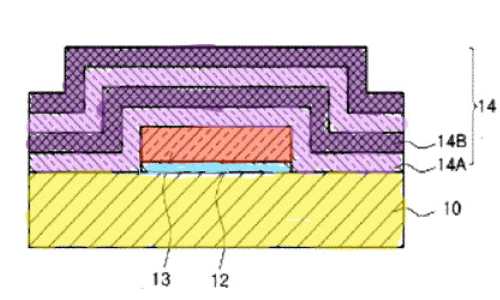
Figure from the patent in suit
Reflective metal layer (13, orange in the figure): reflects light generated by the active layer (12), located between the p-layer and the n-layer, and thereby improves light extraction efficiency.
Barrier layer (14, purple in the figure): prevents diffusion of metal elements from the reflective layer.
Technical problem: the coefficient of thermal expansion (CTE) of the reflective layer is higher than that of the barrier layer. This creates stress in the reflective layer. At the same temperature, such stress may cause the reflective layer to separate from the active layer or mesa layer, impairing reliability.
Solution: a stress relief layer is inserted between the reflective layer and the barrier layer. Its CTE lies between the respective CTE values of the two layers and helps buffer thermal stress.
Practical point: This technical background naturally shifts the dispute towards functional limitations, in particular CTE and position, as well as the definition of a “layer”. It is not a simple comparison of material lists. Many claim features in semiconductor, new energy and advanced materials cases rely heavily on functional limitations.
7.2 Disputed issue 1: defining the functional feature — how can a “stress relief layer” be proven?
The “stress relief layer” in the claim was functionally defined through its position, namely between the reflective layer and the barrier layer, and through its property, namely a CTE between those of the adjacent layers. Proving infringement therefore required an indirect functional inference. It was not enough merely to identify material composition or position.
The claimant’s key strategy was to advance a “composite layer” argument. A specific TiNiTiNi sequence was characterised as a composite stress relief layer. Material data were used to infer a composite CTE, with an exemplary calculated value of approximately 11.79 µm/mK. The claimant argued that, at the nanoscale, where each layer was approximately 50–65 nm thick, interlayer interaction caused the structure to operate as a single functional unit. The court accepted this indirect inference, even though the claim did not expressly use the term “composite”.
7.3 Disputed issue 2: design-arounds and functional overlap — can naming something a barrier layer avoid infringement?
Defendants often attempt to avoid literal claim language by modifying the layer stack or by renaming a structural feature. The logic reflected in this case is that functional overlap does not exclude infringement. The legal identity of a layer is determined by its function and effect, as well as by suitability, not by the manufacturer’s chosen terminology.
This is important in practice. Where the claim does not exclude a layer from having multiple functions, a design-around that does not change the functional route may amount only to a structural disturbance, rather than a genuine departure from the scope of protection.
7.4 Disputed issue 3: mapping material characterisation results to claim language
A third challenge was to map high-resolution characterisation data, such as FIB/SEM cross-sectional images, onto legal definitions such as “reflective layer”, “barrier layer” and “stress relief layer”.
The decisive point is not image clarity but mapping logic. Characterisation is only the beginning of the evidence chain. TEM, EDX, SIMS and similar techniques can indicate structure, but expert explanation is required to connect layer interfaces, interdiffusion, thickness and function to the claim features.
The evidence must meet the engineering requirements of UPC practice: representativeness, repeatability and explainability. It must form a chain capable of withstanding challenge.
7.5 Transferable methodology from the case
The most transferable aspect of the case is the sequence in which the case was handled:
construction first → functional reasoning at the outset → evidence collection and testing afterwards → mapping the result into facts that the court can accept.
8 | A practical case-handling checklist
Step 1: Draw a technical map of the disputed issues before drafting submissions
For each claim feature, identify the type of technical dispute involved: structure, function, definition or measurability. At the same time, mark the coupling points between infringement and validity, and identify possible squeeze risks.
Step 2: Turn claim construction into a measurement blueprint
Define the measurement target: what is to be measured, what result would satisfy the claim feature, and how the field of view or sampling range aligns with literal requirements such as plurality or numerical ranges.
Anticipate defence strategies and select the characterisation method accordingly. For example, if the defendant is likely to deny that a composite layer is one layer, the evidence should highlight the mechanism of interaction between thin-film layers.
Step 3: Build the evidentiary funnel and translate the result into court language
The evidence path should run from raw characterisation data, such as electron microscopy images, spectroscopic data and sample cross-sections, to mechanism and material-property reasoning, such as a reasonable derivation of a composite CTE. It should then map each element to the claim features, including plurality and range requirements, and finally express the result as a legal factual conclusion that can be accepted by the court.
Step 4: Perform a squeeze test across validity and infringement
Every key claim construction should immediately be tested in both directions:
Does this interpretation expand the attack surface for prior art?
Does this interpretation allow the accused embodiment to escape infringement?
Step 5: Apply an engineering review of evidentiary sufficiency
Use representativeness, repeatability and explainability as internal review criteria. This requires multi-point sampling, validation across multiple chips and traceable sample-preparation procedures.
In semiconductor and materials cases, the evidence chain often depends on interdisciplinary collaboration. In RGTH’s experience, material characterisation and mechanism modelling should be treated as part of the litigation strategy, not as a later supplement. Where appropriate, cooperation with European research institutions, including the Fraunhofer network, can help build a reproducible, defensible and explainable testing and expert evidence system, particularly in the UPC’s highly front-loaded procedural environment.
8.1 | Three typical technical rebuttals and a pre-emptive evidence checklist
The following points translate the above methodology into a litigation-ready evidence design. The key is to anticipate the other side’s most common technical rebuttals and build the response into the evidence strategy from the beginning.
Rebuttal 1: “A composite layer cannot be one layer; atomic-level fusion, such as an alloy, is required.”
Pre-emptive response: Build the explanation chain in advance. The legal identity of a layer should be centred on function and effect, and the context of the specification may distinguish between an alloy and a composite structure. Mechanism evidence should focus on interlayer interaction and mechanical coupling at the nanoscale, showing that several sublayers operate as a single functional unit. The case should not become trapped in the question of whether atomic-level mixing has occurred.
The effective CTE derivation should be presented in a verifiable appendix, including input parameters, calculation and sensitivity analysis.
Rebuttal 2: “You only measured a local area; the result is not representative, not repeatable, or affected by preparation artefacts.”
Pre-emptive response: Use multi-point sampling and verification across multiple chips. Avoid relying on a single image as isolated evidence. The sample preparation procedure should be traceable and auditable, including parameters, batches and contamination control, in order to reduce the attack surface for artefact arguments.
The evidence should be reviewed using the UPC-oriented standard of representativeness, repeatability and explainability.
Rebuttal 3: “Even if the structure exists, the function, such as CTE-based stress relief, has not been proven.”
Pre-emptive response: Translate the functional requirement into a framework based on suitability and mechanism-based reasoning. This avoids being drawn into the uncontrolled terrain of full-life reliability testing.
The reasoning chain should be established first: define the model, boundary conditions and parameters before testing the data. This avoids the logical break that occurs when a model is added only after the measurements have been taken.
The technical narrative should return to thin-film interaction: structure scale, coupling mechanism and derived result should together make the functional limitation concrete.
9 | Conclusion: what is the core competence in semiconductor, new energy and advanced materials litigation?
In semiconductor, new energy and advanced materials litigation, the decisive skill is to create a clear connection between technical analysis and litigation strategy. This requires early identification of disputed issues, a structured evidence path, translation of characterisation results into court language, handling invalidity risks through technical motivation, and avoiding the squeeze effect during the front-loaded stage of the proceedings.
For Chinese companies, this means:
UPC litigation is not a reactive exercise that begins only after a statement of claim is received. It is a systematic project that requires technical and evidentiary preparation in advance.
For further questions and enquiries, please contact:
Dr Mao Deng is a Doctor of Engineering and a German Patent Attorney and European Patent Attorney and is admitted to practice before the German Patent and Trade Mark Office, the German Federal Patent Court, the European Patent Office, the European Union Intellectual Property Office, and the World Intellectual Property Organization.
With the Unitary Patent as the successor to the European patent, it has become significantly easier for companies to protect their innovations within Europe. Almost simultaneously with the entry into force of the Unitary Patent, the Unified Patent Court (UPC) was established in July 2023. With the Unified Patent Court, there is now, for the first time, a centralized court system for all disputes concerning Unitary Patents and European patents.
What is the Unified Patent Court?
The Unified Patent Court, in German: das Einheitliche Patentgericht (EPG), is an international court responsible for all issues relating to infringement and validity of Unitary Patents and European patents. The UPC was established in July 2023 as a common court system of 25 EU Member States that signed the international agreement establishing the UPC (UPC Agreement/EPG Agreement). Currently, 18 EU Member States are bound by the Unified Patent Court, whose main seat is located in Paris.
Origin and objectives of the UPC
The establishment of the Unified Patent Court is part of the so-called EU patent package, which also includes the Unitary Patent. The aim of this package of measures is to simplify patent law and patent-related rules within the European Union.
The corresponding international agreement had already been signed by the EU Member States in 2013. However, constitutional complaints in Germany and Brexit delayed the establishment of the UPC. It was not until July 2023, after a sufficient number of Member States had ratified the UPC Agreement, that the court began its work.
By centralizing patent disputes within the EU, proceedings are intended to become more efficient and cost-effective. In addition, the EU patent package aims to improve patent protection for companies within Europe and to strengthen Europe as a location for innovation.
Jurisdiction and scope of the Unified Patent Court
The EPG or UPC has jurisdiction over disputes concerning:
European patents granted after the entry into force of the EPG Agreement
European patent applications that were pending when the EPG Agreement entered into force or that were filed after that date
The EPG does not have jurisdiction over patents in countries that have not ratified the EPG Agreement, or over patents from non-EU Member States. National patents also do not fall within the jurisdiction of the court.
Opt-out option for European patents
For a transitional period (sunrise period) of seven years after the entry into force of the Unified Patent Court, patent proprietors have the option of excluding their patent from the jurisdiction of the UPC. Through this so-called opt-out, the national courts of the individual EU countries remain competent for patent disputes. Companies can thereby prevent, for example, a central revocation action from attacking their patent in all participating EU countries.
Types of proceedings before the EPG
In connection with Unitary Patents and European patents, the following proceedings are conducted before the Unified Patent Court:
infringement actions
revocation actions
actions for a declaration of non-infringement
preliminary injunctions and protective measures
In addition, appeal proceedings are conducted before the Court of Appeal of the EPG, which has its seat in Luxembourg.
Structure and organization of the Unified Patent Court
The UPC comprises a Court of First Instance with its main seat in Paris, a Court of Appeal in Luxembourg, and a Registry, also located in Luxembourg. The Court of First Instance consists of:
a central division (Central Division) in Paris with divisions in Milan (since 2024) and Munich
up to four local divisions (Local Division) per Contracting Member State
regional divisions (Regional Division) for two or more Contracting Member States, which may sit at different locations.
Composition of the UPC panels
A particular feature of the Unified Patent Court is that each panel is composed of technically qualified and legally qualified judges. This combination is intended to ensure that the often highly complex aspects of each patent dispute are assessed on a sound technical basis.
The distribution of judges in UPC panels is as follows:
Court of First Instance
Central Division: 2 legally qualified judges, 1 technically qualified judge selected according to the field of technology
Local Division: 2 legally qualified judges from participating Member States, 1 legally qualified judge from another Member State, technically qualified judge optional
Court of Appeal: 3 legally qualified judges, 2 technically qualified judges selected according to the respective field of technology
Advantages and challenges of the Unified Patent Court
With the Unitary Patent and the Unified Patent Court, patent proprietors have centralized instruments available to protect their innovations efficiently within the EU. Depending on the type of patent dispute and the complexity of the proceedings, however, the court system also presents challenges. We have summarized the advantages and potential disadvantages for you:
Unified Patent Court / Unified Patent Court
Advantages
Challenges
Uniform enforcement: A decision of the UPC automatically applies in all participating states – parallel proceedings in several countries are no longer required.
Uniform revocation risk: If a Unitary Patent is revoked, it is lost in all participating states at the same time.
Cost efficiency: Uniform enforcement in centralized proceedings saves litigation costs.
Risk of high litigation costs: Intensively conducted proceedings before the UPC can become expensive, particularly in the case of appeals or preliminary injunction proceedings.
Time savings: Clear procedural rules and centralized proceedings can enable decisions to be issued more quickly.
Not all EU states are part of the UPC: In countries such as Spain, Poland and Croatia, separate proceedings must be conducted before national courts.
Technical expertise: The combination of legally and technically qualified judges enables a reliable assessment of complex technical matters.
Lack of established practice: The new rules and procedures of the UPC are unfamiliar to companies and lawyers in the initial phase and may lead to uncertainty.
Effective enforcement of rights: Centralized injunctions and damages claims have EU-wide effect against patent infringements.
Linguistic and cultural differences: The involvement of many different countries and languages may create practical challenges for UPC proceedings.
RGTH: Protection for Unitary Patents and European patents
Do you need advice regarding your Unitary Patents, or would you like competent representation in disputes relating to a Unitary Patent? Our experienced patent attorneys support you with extensive technical and industry-specific expertise.
Dr. Torben König is a German Patent Attorney and European Patent Attorney. His specialist areas include, among others, patent law, in particular filing, opposition and appeal proceedings before the German Patent and Trade Mark Office, the German Federal Patent Court and the European Patent Office, as well as revocation actions before the German Federal Patent Court and the German Federal Court of Justice, and infringement proceedings.
Disclaimer: The above information does not replace legal advice. No guarantee is given as to its accuracy or completeness.